Tag : trends

Ventilated Wardrobe – Preventing Moisture Issues

Efficiency and durability are often the focus in construction, manufacturing, and transport. However, when it comes to personal spaces and storage solutions, the focus is on preserving and longevity of the stored items. 

This is where the interior design and functionality of the wardrobe are crucial, especially in combating the ever-present problem of dampness. For Laudabaltic.lv readers who are used to exploring innovative solutions in different sectors, this article looks at the importance of proper ventilation in bedroom wardrobe interiors.

The importance of ventilation

Ventilation in a bedroom wardrobe is an often-overlooked aspect of home design, but it plays a crucial role in maintaining the quality and longevity of our precious objects. Whether it’s your seasonal clothing collection, treasured keepsakes, or everyday essentials, it’s vital to ensure that these items are stored in a humidity-free environment.

This chapter discusses the essential role of ventilation, highlighting how it serves as the first line of defense against moisture build-up and mold growth. Homeowners and designers can make informed decisions by understanding the mechanisms by which proper airflow can be achieved and maintained.

Why ventilation matters

Maintaining an environment free from mold and moisture is at the heart of every well-designed cloakroom. In damp, poorly ventilated rooms, these unwanted visitors thrive, damaging fabrics, creating unpleasant odors, and posing health risks. 

Efficient ventilation is the key to preventing these problems. It also increases the longevity of wardrobe contents and ensures healthier indoor air quality.

Strategies for improved airflow

Several design strategies can significantly improve the airflow in a bedroom wardrobe. One of the most effective solutions is doors with hatches and perforated shelves, which allow air to circulate freely even when the door is closed.

Incorporating breathable fabrics into wardrobe design can also significantly impact moisture management. These materials do not trap moisture, allowing them to evaporate and reducing the risk of mold.

Materials that make a difference

Regarding wardrobes, the fight against dampness and its unwanted consequences – mold and deterioration of stored items – goes far beyond clever design. The materials from which the wardrobe is made play a crucial role in its ability to combat these problems.

This section will look at the importance of choosing suitable materials for your wardrobe construction, focusing on those naturally resistant to moisture. From naturally scented cedar, known for its moisture and insect resistance properties, to advanced composite materials designed for superior durability.

Choosing the right materials

The fight against moisture continues after design. The materials used in wardrobe construction also play an essential role.

Choosing materials that naturally repel moisture or are treated to ensure this can significantly improve a wardrobe’s ability to stay dry. Woods such as cedar are durable and have natural oils that repel insects and resist mold.

Metal parts can be treated with a protective coating to prevent rust and corrosion. This further extends the life of the cabinet.

Innovative solutions

In addition to traditional materials, innovative, moisture-resistant materials are also entering wardrobe design. These include composites and plastics that offer excellent resistance to moisture without compromising aesthetics or functionality. 

Homeowners can choose suitable materials to ensure that their wardrobes are stylish and durable. And resistant to problems caused by humidity.

Design innovations – wardrobe design trends

Keeping up with the latest trends, ventilated wardrobes for bedrooms provide functionality and blend seamlessly into the home’s aesthetic. Minimalist lines often characterize modern design, and ventilation is subtly integrated without detracting from the look of the wardrobe. 

Customizable solutions are becoming increasingly popular, where customers can choose materials, finishes, and ventilation options that offer a personalized approach to moisture prevention.

Tailoring solutions to lifestyle

The ventilation solutions can also be tailored to individual lifestyles and storage needs. For example, those living in humid climates or those with a collection of sensitive items.

More modern ventilation systems can provide additional protection. These include integrated dehumidifiers or electronic humidity control systems.

A breath of fresh air for readers

For the hard-working readers of laudabaltic.lv, the principles of efficiency, longevity and innovation apply to all aspects of life, including the design of personal storage spaces. Ventilated bedroom wardrobe interiors combine these principles, ensuring that clothes and valuables are stored in a way that prevents moisture build-up and mold.

By considering ventilation at the initial design stage, choosing the right materials and staying up-to-date with the latest trends, homeowners can not only create a functional storage solution, but also demonstrate their commitment to quality and innovation. This approach not only protects valuables but also contributes to a healthier living environment.

You although might like:


Ultimate Closet Makeover – Integrating Style and Functionality

In the construction, manufacturing, and transport sectors, efficiency and optimization are vital principles for success. So why should our personal spaces, especially our closets, be any different? The answer is that it shouldn’t.

In this article, together with our diligent readers, let’s go beyond the usual industry debate to delve into the personal sphere, offering insights into achieving the best wardrobe makeover that combines style and functionality. Do you want to maximize space for clothes, shoes, and accessories or bring your style into your bedroom design?

In this guide, you will find information on making the right choice, tips on seasonal wardrobe rotation, and integrating decorative elements that complement your bedroom aesthetic. With before and after pictures and a planning guide, we aim to inspire and prepare you for your wardrobe makeover journey.

Selecting the right organizers

At the heart of any functional cabinet is its organizational system. Choosing the right organizers is about buying aesthetically pleasing solutions and selecting ones that are right for your space and meet your storage needs.

Modular systems are flexible and can be customized to fit everything from bulky jumpers to delicate accessories. Large wardrobes can provide ample space and elegance in any bedroom for those with extensive collections.

Choosing the right organizers is essential to create a functional and aesthetically appealing wardrobe space:

  • Modular systems: These flexible solutions can be adapted to various items, from bulky outerwear to fine accessories.
  • Drawer organizers: Ideal for separating smaller items such as socks, underwear, and jewelry for easy access.
  • Pull-out boxes and shoe racks: Improve functionality by simplifying the sorting of laundry and storing shoes.
  • LED lighting: Illuminate your wardrobe with built-in lighting for ease of use and a modern touch.
  • Consider large wardrobes: Large wardrobes for extensive collections offer ample storage space and comfort.

Seasonal wardrobe rotation – keeping your closet current

As the seasons change, so do our wardrobe needs. Introducing a seasonal rotation system ensures that your wardrobe space is optimized and your clothes are always in sync with the weather. This frees up space and extends the life of your clothes by preventing overcrowding and reducing wear and tear.

A seasonal rotation system is essential to maintain a functional wardrobe that adapts to changing weather conditions:

  • Categorize your clothes: Divide your wardrobe into seasonal groups to facilitate rotation.
  • Use under-bed storage: Store out-of-season clothes in under-bed containers or vacuum bags to save space.
  • Donate and repair: The seasonal rotation is a great time to donate unused items and repair worn garments.
  • Label storage: Clearly label stored items for easy identification and access.
  • Check weather forecasts: Coordinate wardrobe rotation with expected seasonal weather changes.

Integrating decorative elements – personalizing your space

Your wardrobe is not just a storage space. It’s a personal space that should reflect your style and complement the aesthetics of your bedroom. Adding decorative elements such as artwork, a statement rug, or decorative handles can transform your wardrobe from a simple storage space into a stylish sanctuary.

Consider wallpapering the back wall of your wardrobe or giving it an extra accent of color. Installing statement light fittings can add warmth and character. Add a plush sofa or an antique mirror to add a touch of luxury. These elements can make dressing more pleasant and tasteful.

What’s trendy?

The latest trends in wardrobe design focus on sustainability and personalization. Environmentally friendly materials and practices are suitable for the planet and give your space a story. Customization options such as built-in ironing boards or hidden safes adapt to individual needs and lifestyles, making your wardrobe personal.

Keep up to date with the latest trends in personalization and sustainability:

  • Eco-friendly materials: choose storage solutions made from sustainable resources.
  • Personalization: Include unique features such as built-in ironing boards or specialized storage options to meet individual needs.

Conclusion

More than just an aesthetic improvement, a wardrobe makeover is an investment in your everyday life, streamlining your daily work and improving your personal space. For Laudabaltic.lv readers who appreciate the synergy between functionality and style. 

Integrating these principles into cabinet design can reflect the efficiency and optimization valued in the construction, manufacturing, and transport industries. When embarking on a wardrobe transformation journey, remember that the ultimate goal is to create a space that reflects your style, meets your storage needs, and promotes a more organized and joyful living environment.

Check out other our articles:


Investment Opportunity in Affordable Housing in Dubai

Welcome to the latest laudabaltic.lv article, where we delve into Dubai’s dynamic and promising world of affordable housing investment. This topic is topical and relevant for our readers interested in the construction, manufacturing, and transport sectors. 

As Dubai continues to develop, the affordable housing segment is becoming a new horizon, offering opportunities different from the luxury market. This article aims to introduce you to the nuances of this market, from understanding its growing demand to assessing its potential return on investment.

The rising demand for affordable housing in Dubai

Dubai, known for its opulent skyscrapers and luxury properties, is undergoing a paradigm shift. Demand for affordable housing is rising, fuelled by a growing middle class and expatriates looking for budget-friendly living options. This trend presents a unique opportunity for investors looking to diversify their portfolios beyond the high-end housing market.

Why affordable housing?

Several factors are contributing to the shift towards affordable housing. The Dubai government’s initiatives to promote affordable housing and a growing labor force have created a fertile ground for this segment. 

Evaluating investment opportunities

Investing in affordable housing in Dubai requires a keen eye on the opportunities. Key factors to consider include location, access to public transport, and proximity to essential services. Projects near business districts or with good connectivity often yield higher returns. For those interested in direct access, buy studio in Dubai provide a natural entry point into the market.

The numbers game

Understanding financial indicators is very important. Look at rental yield statistics, occupancy rates and price trends. Affordable housing generally offers higher rental yields than luxury properties due to lower occupancy rates and constant demand.

A comparative analysis – affordable vs. luxury housing market

The affordable housing market in Dubai is very different from the luxury sector. While luxury properties are often about prestige and location, affordable housing prioritizes functionality and value for money. This segment tends to be more resilient during economic downturns, as there is always a demand for budget-friendly living spaces.

Investment stability

From an investment point of view, affordable housing can offer more stability and less volatility than the luxury market. This stability is attractive to long-term investors looking for consistent returns.

The construction angle – tapping into the construction boom

Dubai’s shift towards affordable housing creates new opportunities for the construction sector. This segment requires innovative, cost-effective construction methods and materials, a potential gold mine for construction companies and suppliers.

Capitalizing on the construction boom

Dubai’s construction sector is undergoing a significant transformation, driven by the trend towards affordable housing. Innovative construction technologies such as prefabricated modules, 3D printing, and sustainable building materials are becoming increasingly important.

These technologies reduce construction costs and speed up the construction process, which is essential to meet the growing demand for affordable housing.In addition, the focus on sustainability in construction is more significant than ever. Integrating green technologies such as solar panels, energy-efficient lighting, and water-saving devices is environmentally friendly and economically viable in the long term.

These features can significantly reduce operating costs, making properties more attractive for investors and tenants. The boom in affordable housing also opens up many opportunities for local and international partnerships. 

Cooperation between local developers and global construction companies can facilitate the exchange of experience, technology and best practices, further improving the quality and efficiency of construction projects in Dubai. 

What’s trending – sustainability in affordable housing

Integrating sustainability is an essential trend in affordable housing. Environmentally friendly building materials, energy-efficient design, and water-saving appliances are becoming increasingly popular.

This not only appeals to eco-minded tenants but also reduces long-term maintenance costs, thus increasing the attractiveness of the investment. Investing in sustainable, affordable housing aligns with global environmental goals and targets a growing demographic that values green living. This aspect adds value to your investment.

Your next smart move

To conclude our story, it is clear that the affordable housing market in Dubai offers unique and promising opportunities for our laudabaltic.lv audience. Whether you are an investor looking for steady returns, a construction professional looking for new ventures or someone interested in sustainable development, there is something for everyone in this market.

Tapping into the affordable housing segment in Dubai could be your next smart step into the world of real estate investment. Be informed, stay ahead, and, most importantly, invest in a market of opportunity that promises growth and innovation.


Freight Transport in a Just-In-Time Production

In today’s fast-changing economy, efficiency gains are robust for households and businesses. Laudabaltic.lv readers will find it helpful to understand the link between just-in-time (JIT) production and freight transport. 

This article will examine how a just-in-time system, based on inventory and waste reduction, can revolutionize freight forwarding processes.

The philosophy of JIT 

Just-in-time manufacturing focuses on producing goods only when they are needed. This means minimizing inventories and reducing unnecessary waste. 

This approach streamlines production schedules, ensuring that resources are used as needed. By integrating JIT production, manufacturers can respond quickly to trade demands while decreasing costs.

Timely freight for efficient production

In lean manufacturing, freight is not just about moving goods – it is an essential part of the production cycle. Optimized freight transport ensures that materials arrive on time.

They can be used immediately in production, thus reducing inventory costs and the need for storage space. This coordination between production and transport is crucial for just-in-time production.

How to implement just-in-time production?

Those producers who successfully implement just-in-time production policies can share the valuable experience they gain. Their examples often cite tangible benefits of this approach, such as reducing transport costs and improving overall efficiency.

A well-known European company that has successfully implemented JIT manufacturing is Toyota. It was the first company to invent, in 1970, that raw materials would only enter their production floor once a specific order had been received. This reduced stock levels and costs and allowed Toyota to adapt quickly to customer demand.

Trends in high-speed production freight

It is vital to keep up to date with the latest trends in JIT and freight transport. Current trends include advances in digital tracking and tracing, the introduction of environmentally sustainable logistics practices, and innovative approaches to supply chain management. 

By understanding these trends, you can develop your company’s ability to adapt faster to market changes, reducing costs and increasing customer satisfaction. It is, therefore, essential to stay informed and adjust your strategies to the latest industry trends to remain competitive and efficient.

Just-in-time manufacturing for local companies

For the laudabaltic.lv audience, integrating JIT production and efficient freight transport can create significant economic advantages. This approach not only optimizes operations but also meets consumers’ core values.

Implementing just-in-time manufacturing and improving freight transport can change the playing field for everyone. Households and businesses are moving towards more efficient, profitable, and responsive business practices.


The Best Bathroom Sinks

Welcome to our latest laudabaltic.lv article, where we delve into the world of bathroom sinks. We have created a theme for professionals and enthusiasts in the construction, manufacturing, and transport industries who appreciate the nuances of quality bathroom fittings.

Are you a builder, designer, or homeowner? Understanding the nuances of different sink types, materials, and designs is essential to choosing the perfect sink for your project. We aim to provide you with valuable insights and practical advice, ensuring that your choice not only enhances the overall look of the space but also takes care of functionality and durability.

Understanding different types of bathroom sinks

A bathroom sink is more than just a functional accessory. It’s also a statement piece that sets the tone for the design and usability of your bathroom. There are several types in the diverse world of bathroom sinks, each offering unique benefits and aesthetic appeal. Here’s a look at the most popular styles:

  1. Pedestal sinks: These are mounted on a single column or pedestal, making them a perfect choice for smaller bathrooms where space-saving is a priority. Their classic and elegant design suits a wide range of bathroom styles, from traditional to modern. The pedestal also cleverly conceals the plumbing, giving a clean and uncluttered look.
  2. Wall-mounted sinks: Ideal for minimalist designs, wall-mounted sinks are attached directly to the wall, freeing up valuable floor space. This type of sink is perfect for compact spaces or creating a sleek, modern look. They often come with options for integrated towel bars or shelves, adding functionality to their stylish form.
  3. Vessel sinks: Vessel sinks are bowl-shaped units that sit atop the counter. They are available in various materials, including glass, stone, and ceramic, and offer a unique opportunity to make a bold design statement. These sinks are best suited for bathrooms with ample counter space, as they take up more room than others.
  4. Undermount sinks: For those who prefer a seamless and tidy countertop, under-mount sinks are the go-to choice. These sinks are installed underneath the counter, providing a smooth transition from countertop to sink. This design looks sophisticated and makes cleaning the countertop easier, as there are no raised edges to work around.
  5. Wash basin over washing machine: An innovative solution for maximizing space in small bathrooms, this design integrates a washbasin above the engine. It’s a practical and clever way to utilize the area, especially in urban apartments where every inch counts. The key is to ensure the compatibility of plumbing and stability for both the washbasin and the washing machine.

Exploring sink materials

The material of a bathroom sink affects everything from durability to maintenance to the overall feel of the bathroom. So, it’s not just a question of aesthetics. Let’s take a closer look at the most commonly used bathroom sink materials and what makes each of them unique:

  • Ceramic: Ceramic sinks are vital in many bathrooms thanks to their classic look and durability. They resist cracking, staining, and fading, making them ideal for high-traffic restrooms. The glossy finish of ceramic basins adds elegance and is relatively easy to clean, making them a popular choice in residential and commercial spaces.
  • Stone: Made from granite, marble, and soapstone materials, stone sinks bring a touch of nature into your bathroom. Each stone sink is unique, with different patterns and colors. These basins can be made in various shapes, offering rustic and ultra-modern styles. However, they require more maintenance than ceramic ones, including regular sealing to prevent stains and scratches.
  • Glass: Known for their modern and sleek look, glass sinks can transform a bathroom into a modern oasis. They are available in clear, matt, or colored, offering a high degree of customization. Although visually stunning, glass sinks require careful maintenance to avoid water spots and maintain their immaculate appearance.
  • Metal: Sinks from stainless steel, copper, or brass add a distinctive look to any bathroom. Stainless steel is known for its durability and corrosion resistance, making it a practical choice for a clean, industrial look. Copper and brass basins, on the other hand, are warm and welcoming and take on a unique coloring over time that can add character to your bathroom.

Improving functionality and aesthetics – features and accessories

Modern bathroom sinks offer much more than just basic functionality. They are equipped with innovative features and accessories that improve their usability and complement the bathroom’s overall design. Let’s take a look at some of these exciting options:

  • Built-in soap dispensers: these built-in dispensers offer a neat and discreet look compared to traditional ones. They can be coordinated with the sink design, maintaining a cohesive aesthetic while ensuring practicality.
  • Built-in water filtration systems: More and more homeowners choose sinks with built-in water filtration systems. These systems provide clean, purified water straight from the tap, which is convenient and a healthy choice. This feature is beautiful for those who are environmentally conscious and want to reduce their consumption of bottled water.
  • Sink siphon: The siphon is a crucial but often overlooked plumbing system component. Modern siphons are designed to drain waste water efficiently and prevent unpleasant odors and clogging. Some modern designs even have aesthetically pleasing siphons that add to the overall look of the washbasin.
  • Motion sensor taps: A touchless tap activated by a motion sensor adds a high-tech and hygienic touch to the bathroom. It is particularly convenient for preventing the spread of germs and keeping the washbasin area clean.
  • LED lighting: Some modern washbasins have built-in LED lighting that can create an atmosphere or help you find your way at night. This feature gives a futuristic feel and can be customized in different colors to suit your mood or décor.
  • Heated surfaces: some high-end sinks have heated surfaces for added luxury. This feature is particularly appreciated in colder climates, providing a warm feeling during use.
  • Adjustable sink heights: Adjustable sink heights meet the ergonomic needs of different users. This feature is particularly useful in multi-user environments or for people with access difficulties.

Making the right choice

Choosing the best bathroom sink requires balancing aesthetics, functionality, and durability. By knowing the different types of washbasins, their materials, and their functions, you can decide to enhance your bathroom design and meet your practical needs.

Remember that a well-chosen washbasin can make a massive difference to the overall look of your bathroom, making it not just a utility room but a sanctuary of style and comfort. For more insights into the construction, manufacturing, and transport sectors, stay tuned to laudabaltic.lv, where we’ll bring you the latest trends and practical tips to help you stand out in your projects.

Check out other our articles:


How to Improve Retail Supply Chains?

To embark on global expansion in retail, it is necessary to understand how supply chains work in a complex logistics network. This article can guide retailers, providing the insight and advice needed to develop effective international freight strategies to optimize business and drive growth in the global market.

In the first section of this article, let’s take a look at what makes up global retail logistics:

  1. Global retail logistics

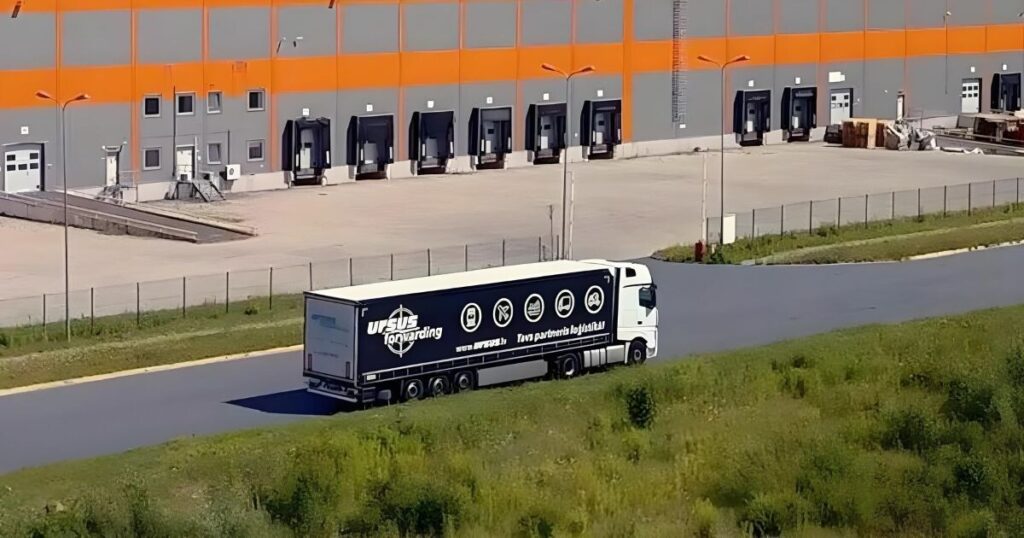
The second part describes how Ursus Forwarding, one of the industry leaders, optimizes freight transport processes and offers tailor-made solutions:

  1. Ursus Forwarding’s role in improving freight processes

At the end of the article, find additional tips for improving your retail supply chain in the following chapters:

  1. Practical techniques for supply chain improvement
  2. Basic principles of international freight transport in retail

Join this insightful study on retail supply chains to gain valuable insights into the intricacies of global logistics and its impact on success in international retail.

Global retail logistics

If you have a retail business and want to grow it in other countries, you need to know how global logistics works. Global logistics is complicated and has many parts, rules, and connections worldwide.

If you can handle global logistics well, you can make your retail supply chain faster and better. For a retailer, this means delivering goods from A to B while complying with local and international regulations. It also involves optimizing costs and ensuring on-time delivery.

Freight legislation in retail

Navigating the maze of customs regulations is an important aspect. You need to know the codes, taxes, and papers for different countries when you move goods across borders. If you mess up with the customs rules, you can face problems like waiting longer, paying more, or losing your goods. Retailers must keep up to date with the trade rules of the countries they operate to avoid these difficulties.

Trade laws vary considerably from country to country. They govern what goods can be imported or exported, how they are transported, and the rules of trade between countries. Retailers must understand these laws to ensure smooth operations and take advantage of trade benefits or tax incentives.

Challenges and opportunities of global logistics

You need to know how the logistics work in the markets you want to reach. This means the roads, ports, warehouses, and local suppliers. Also, you have to adapt to different countries and their needs. For example, solutions in countries with good ports but poor inland transport will be ineffective in other countries with good roads but limited port facilities.

Global logistics is associated with risks such as political unrest, currency movements, and supply chain disruptions. Retailers need to develop effective strategies to mitigate these risks. For example, they can pool supply sources, invest in insurance, or create contingency plans.

Adopting technology for sustainable solutions

Technology plays a particularly important role in today’s logistics. From GPS tracking to advanced analytics, retailers can track shipments in real-time, predict and react to delays, and optimize routes and inventories.

With the increasing focus on sustainability, retailers must also consider the environmental impact of their logistics operations. To reduce carbon emissions, they can choose greener transport services, optimize transport loads, or suppliers that follow sustainable principles.

Managing peak seasons in retail

How some retailers manage peak seasons such as Christmas and Black Friday is a practical example of excellent global logistics management. They succeed because planning starts months in advance.

They work closely with logistics partners to forecast demand, secure shipping capacity, and optimize customs processes. This proactive approach meets customer demand without overloading the logistics network or incurring excessive costs.

International growth of retail businesses

If you know how global logistics works and handle it well, your retail business can do better and win in other countries. You need to know the rules and how to plan, avoid problems, and use technology well.

By regulating these aspects, retailers can ensure the timely delivery of goods across borders. Successful businesses can also improve their global brand reputation and customer satisfaction.

Ursus Forwarding’s role in improving freight processes

Professional shipping companies are indispensable in the complex and dynamic world of international freight forwarding. With its wealth of experience, Ursus Forwarding is a crucial player in simplifying and optimizing freight transport processes for companies worldwide. Below, we look at how this company stands out as an essential player in the freight transport market.

Competence and diversity of logistics services

With more than 14 years of experience, the company has mastered solving complex logistics challenges. This is demonstrated by the successes we have achieved, ranging from the transport of environmental objects “Homo Democraticus” to the delivery of bulky building materials. This level of expertise is of great value to clients facing unique transportation challenges and requiring tailor-made solutions.

Ursus Forwarding offers a full range of services, including road, heavy haulage, rail, sea, air, warehousing, and more. This diversity allows us to provide tailored solutions to meet the needs of different customers, whether it is bulky cargo or urgent deliveries.

International experience and technology in freight

In today’s dynamic business environment, technology is vital to remaining competitive. Ursus Forwarding uses advanced tracking and logistics management systems.

This technological advantage enables real-time tracking, predictive analysis of potential delays, and efficient route optimization. Customers can track and control their shipments better with this service.

The company has expanded its reach to different nations, notably in Estonia. Leveraging its worldwide network and local know-how, it ensures seamless international deliveries. It’s skilled in adjusting to global shifts and recognizing local nuances, which is crucial in international shipping.

Tailored and eco-friendly freight services

Recognizing that every company has unique requirements, Ursus Forwarding offers tailor-made solutions. Whether it’s a small business that needs occasional shipment services or a large corporation that needs to implement a complex logistics strategy.

In line with its vision to contribute to improving the environment, the company takes an environmentally friendly approach. The trucks have modern diesel engines that clean the exhaust gas with AdBlue. This shows that the company cares about the environment and wants to reduce harm to transport.

The company can handle a lot of freight during busy times, like the holidays. It delivers everything on time and keeps the service quality high. It does this by planning well and using its extensive network. It also has technology that lets it change things quickly.

A strategic partner in global logistics

Ursus Forwarding is a leader in making freight transport processes better. It can adjust to situations, use new technology, and put customers first. Our customers benefit from working with a company that knows the fine details of international transport. Your freight forwarder is not just a logistics provider; it is a partner that helps you succeed in the global market.

Practical ways to improve your supply chain

Freight consolidation can transform retail supply chains. This option is good for you in many ways. You can save money and help the planet with it. However, effective consolidation can only partially optimize the supply chain.

Above all, supply chain performance depends to a large extent on route optimization. Strategies need to be developed to select the best routes, considering the length of the journey, the duration of the transportation, and geopolitical stability, not forgetting, of course, the company’s profits.

The basic principles of international freight in retail

There are many other factors to consider when dealing with international freight. These could include insurance, tracking technology, and the importance of reliable freight forwarders. Retailers should also familiarize themselves with new trends in the freight industry. Well-planned international freight transport can bring significant benefits to retail businesses.

Transportation has many parts, like how you move things and what services you use. Retailers can work better if they know these parts well. This article will help you, mainly retailers, learn and get tips on choosing your international freight methods. This will improve your business and help you grow in the world market.


5 New Trends in the Construction Industry

As the economy improves, often the construction business is not so good, but the industry is still looking for sound strategies, not just structures. After the housing squeeze a few years ago, value is still on people’s minds because there is no guarantee that another downturn could be around the corner.

Mike Miller, Mid-Atlantic division leader for Southland Industries, Dulles, VA, a mechanical construction firm, and Jim Snyder, director of operations for construction company Warrior Group, Columbus, OH, give us insight on trends to look for this year.

1) One design model

Miller points out that traditionally, engineering documents were created then given to the contractor to re-draw with different information. Now, to save time and money, there’s a move to bring it all in-house, engineering, co-ordination, creating a one-stop shop. With the right coordination, models can and should, says Miller, go through engineering well into construction. “Thirty-month projects can get turned into 24-month projects,” he adds.

Top trends in construction and building, from single design patterns to permanent modular construction, have implications for the future.

Top trends in construction and building, from single design patterns to permanent modular construction, have implications for the future.

2) Materials

Miller, who has a degree in architectural engineering, says materials like custom sheet metal are popular as a guaranteed pressure-rated high quality, but it’s how the materials are used that makes the difference. Going for industrial off-site construction fits right into the ongoing theme of improvement schedules. “Instead of joining one piece of canal work you can join 20 feet of canal in total,” Miller says. “It’s about moving more work from the field to the shop.”

3) Energy efficiency

Energy consumption is always top of mind in construction, says Miller. He points out systems to recover energy with heat wheels and sensors become important. An example of the latter is the myriad of interior conference rooms that can be left empty for weeks. When the sensor detects carbon dioxide in a room, it changes the ventilation and therefore the energy required.

4) Permanent Modular Construction

Snyder proposes that permanent modular construction will be a huge trend in the coming years, saying construction could easily last more than 50 years. “It looks exactly like commercial construction and can be done using many of the same things. Metal studs, concrete, or even wood” Snyder says the modular design fits particularly well if you’re short on time, from fast food restaurants that need to go up quickly to army barracks to military deployments. “It also allows you to have an easier time doing the building as you go,” he says. “Instead of building 100,000 square feet, you can do 25,000 and then later, add on”. Snyder, who has a degree in building science, sees it also becoming part of high-rise construction and is particularly popular as it fits in with LEED requirements. The main thing, he says, is changing people’s minds about what they imagine. “They see it as a box,” he says, “but it can be so many things you want it to be.”

5) Probably … You are

According to Miller, a well-rounded mechanic who can go beyond the calculations into the fitting of these agreed technical design models will make himself invaluable. The only question is: Are you flexible enough for the challenge?